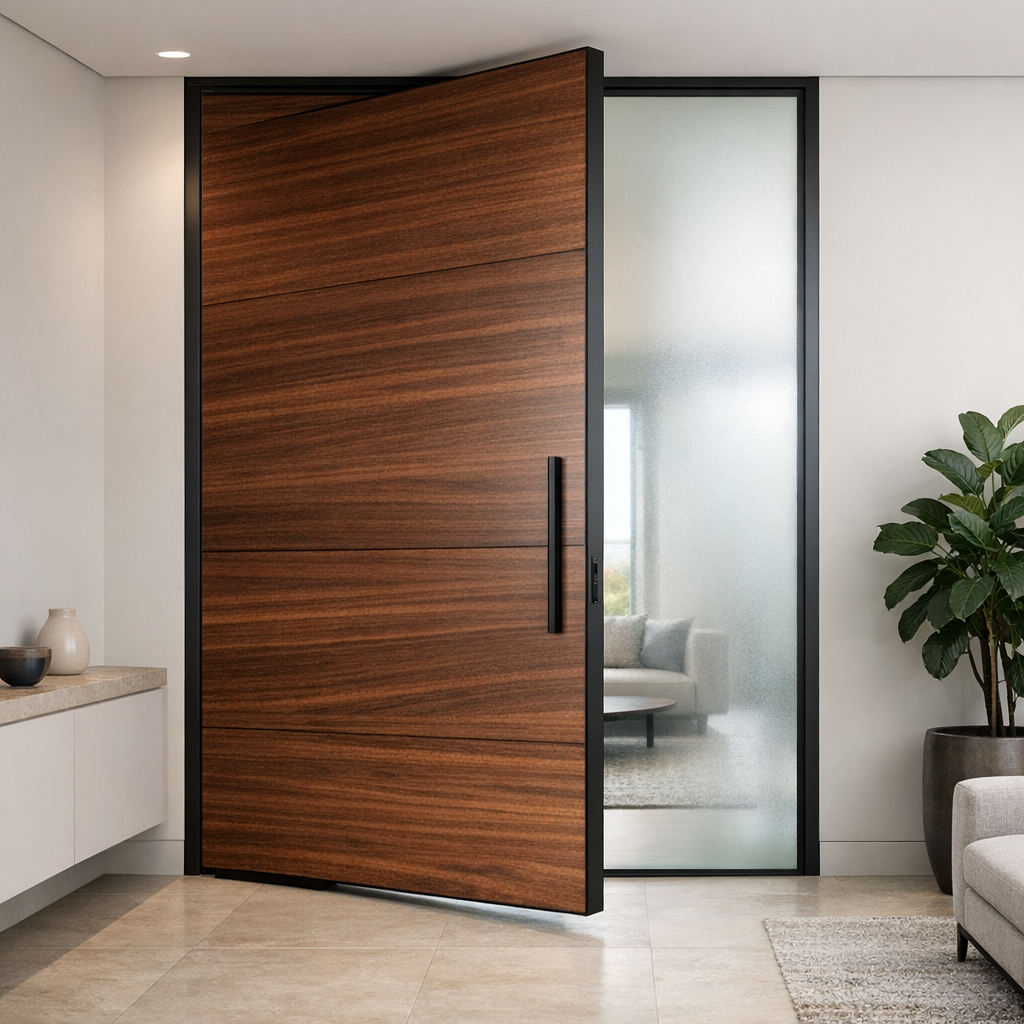
In the ever-evolving landscape of luxury interior design, interior pivot doors have emerged as versatile architectural elements that blend style, practicality, and sophisticated craftsmanship. While their distinctive pivot mechanism commands attention, the choice of material profoundly influences how these doors perform and integrate within contemporary home environments. This article explores innovative material options for interior pivot doors, examining how they balance aesthetics, durability, acoustic properties, and spatial dynamics in luxury residences.
Understanding the Role of Material in Interior Pivot Door Design
Unlike traditional hinged doors, pivot doors rotate on a central or offset spindle, allowing for expansive panels and unique movement. This structural characteristic places specific demands on materials — they must be stable, relatively lightweight, yet strong enough to support the pivot hardware and resist warping or deformation over time. Therefore, selecting the right material is a critical decision for homeowners, architects, and interior designers aiming to optimize both beauty and functionality.
Key Considerations When Choosing Materials
- Weight and Stability: Excessively heavy materials can stress pivot hardware, leading to mechanical issues.
- Finish and Texture: The tactile experience and visual impact must harmonize with the surrounding interior palette.
- Durability and Maintenance: Materials should withstand daily use, minimize wear, and allow for straightforward upkeep.
- Acoustic Performance: In open-plan luxury homes, doors often function as both visual and sound barriers.
- Environmental Impact: Sustainable and responsibly sourced materials align with modern ecological sensibilities.
Popular and Innovative Materials for Interior Pivot Doors
1. Engineered Wood Veneers
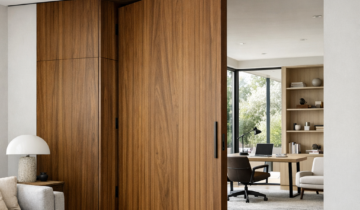
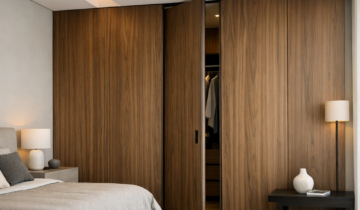
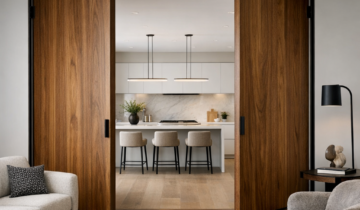
Engineered wood veneers are a favored solution, offering the warm, natural aesthetics of solid wood while improving stability and reducing weight. Their layered construction minimizes risks of cracking or twisting which is crucial for the precision pivot mechanism. Beyond traditional oak or walnut veneers, manufacturers now offer exotic wood finishes that deepen the luxury appeal without compromising mechanical integrity.
2. Glass and Laminates
Glass pivot doors introduce transparency and lightness, ideal for creating open, airy spaces. To increase privacy and acoustic efficiency, homeowners often opt for laminated or frosted glass panels, sometimes combined with metal frames for added rigidity. Innovative laminated composites can integrate decorative elements within the glass structure, pushing aesthetic boundaries.
3. Metal and Aluminum Composites
For modern or industrial-inspired interiors, metal pivot doors—especially those crafted from aluminum or steel—offer sleek lines and incredible durability. Aluminum composites help reduce overall weight while ensuring the door’s strength. These materials often receive powder-coated or anodized finishes to resist corrosion and elevate design versatility.
4. High-Pressure Laminates and Decorative Panels
High-pressure laminates (HPL) provide a robust surface that resists scratches and stains, a practical choice in high-traffic areas. Contemporary luxury design leverages HPL for its broad range of colors, textures, and patterns, sometimes mimicking stone or concrete for a unique architectural statement. These panels can be combined with pivot door technology to marry durability with cutting-edge aesthetics.
5. Composite and Sustainable Materials
With increasing attention on eco-responsibility, composite materials made from recycled or sustainable components have grown in popularity. They can emulate the appearance of natural wood or stone while contributing to green building certifications. These alternatives offer a lighter weight option that still supports the pivotal mechanism and high-end finishes.
Architectural Implications of Material Choices
The weight distribution and structural behavior of the chosen material influence the pivot mechanism placement and door dimensions. For example, extremely heavy solid wood doors require robust pivot hinges and possibly an offset pivot point to reduce strain. Conversely, lighter materials like laminated glass or aluminum composites permit larger door panels to act as dramatic architectural focal points without compromising movement fluidity.
Moreover, the material’s finish can reinforce spatial concepts. A matte wood veneer door can complement a cozy, warm interior, while a reflective glass door enhances brightness and openness. Designers and clients alike must evaluate how material selection impacts the overall composition and flow between rooms, maintaining a harmonious balance between openness and privacy.
Acoustic Considerations for Interior Pivot Doors
In luxury residences, interior pivot doors often serve dual roles: partitioning zones and managing sound transmission. Materials with inherent density, such as engineered wood or composites, typically offer better sound insulation than thinner glass or metal. To enhance acoustic performance, pivot doors can be paired with perimeter seals or automatic bottom seals, ensuring minimal gaps.
The pivot door specialists at Interior Pivot Door emphasize the necessity of choosing materials that complement acoustic treatments in the home, especially in open-plan or multi-use spaces where noise control is pivotal.
Design Recommendations and Integration Tips
- Match Materials with Interior Themes: Luxury interiors often follow a coherent material palette. Selecting pivot door materials that echo floor finishes, cabinetry, or wall textures can create unified room identities.
- Consider Hardware Compatibility: Metallic finishes for pivot hardware must harmonize or contrast intentionally with door materials for a refined effect.
- Prioritize Quality Pivot Mechanisms: Regardless of materials, premium pivot hardware ensures longevity and smooth operation. Consulting with experts minimizes risks of material-hardware mismatches.
- Work with Specialists: Whether sourcing inspiration or technical guidance, resources such as DAYORIS offer invaluable insights into premium architectural interior doors and contemporary door design ideas.
- Custom Fabrication: Many luxury homes benefit from bespoke materials and finishes tailored to their architectural context, so collaborating closely with fabricators enhances the final result.
Conclusion
Material innovation in interior pivot doors opens exciting possibilities for luxury homes seeking architectural elegance combined with practical performance. From engineered wood veneers to advanced composites and glass laminates, each material offers distinctive advantages and design nuances. Thoughtful selection—attuned to spatial, aesthetic, and functional demands—ensures that pivot doors become more than just passageways; they become integral, expressive elements of contemporary interior architecture.
For detailed inspiration and technical insight on selecting materials and styles for your interior pivot door project, explore the expertise available at Interior Pivot Door and browse curated collections on DAYORIS, leaders in premium architectural interior door design.