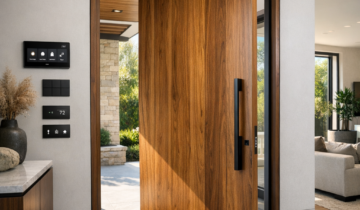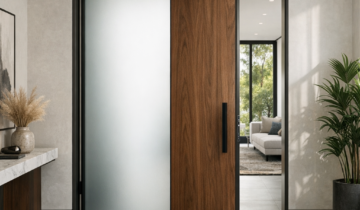
In contemporary luxury architecture, privacy and tranquility are increasingly prized, especially in open floor plans where ambient noise travels freely. Interior pivot doors, celebrated for their sleek aesthetics and functional versatility, are uniquely positioned to address acoustic challenges in modern homes. This article explores how interior pivot doors can be strategically employed to improve sound control, creating serene spaces without sacrificing architectural elegance.
The Acoustic Challenge in Open-Plan Luxury Homes
Architectural trends favoring open, flowing interiors prioritize natural light and spatial connectivity but often overlook inevitable acoustic compromises. Ambient sounds from kitchens, entertainment areas, or crowded living spaces permeate adjacent rooms, impacting comfort and privacy. Traditional hinged doors, while functional, have limitations in seal quality and design integration, prompting designers to consider alternative solutions.
How Interior Pivot Doors Contribute to Sound Management
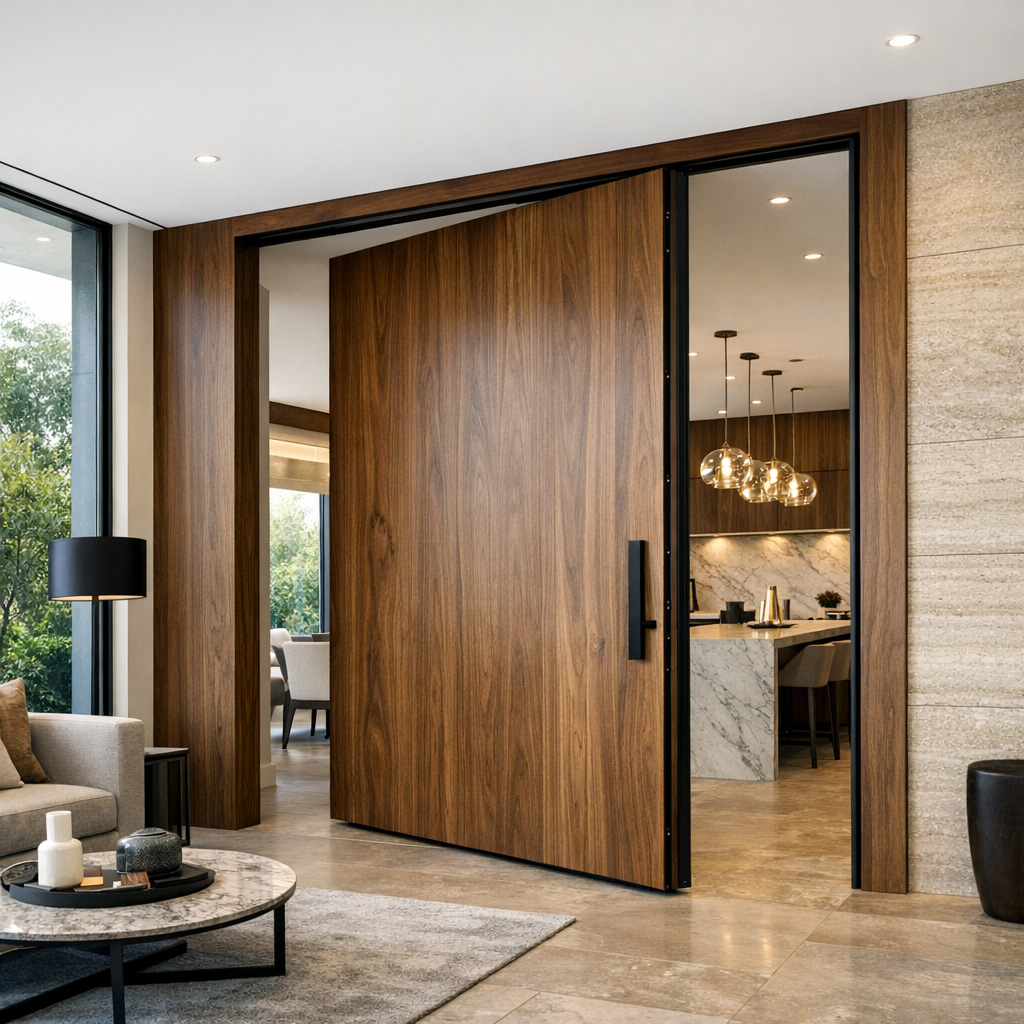
Interior pivot doors rotate around a vertical axis—set away from the conventional edge—allowing for heavier, denser door panels that traditional hinges may struggle to support. This structural advantage enables architects and designers to incorporate materials and constructions with superior acoustic properties.
Material Density and Layering
Heavier pivot doors can be crafted using solid wood cores, composite laminates, or even integrated soundproofing layers such as acoustic foam or mass-loaded vinyl within the door slab. Because the pivot mechanism supports higher weight, doors can be thicker and richer, markedly improving sound dampening.
Precision Sealing Mechanisms
Pivot doors often incorporate advanced sealing details around the frame, including brush seals, magnetic gaskets, and drop seals at the threshold, reducing sound infiltration without compromising smooth operation. These seals help create an effective acoustic barrier between connected spaces.
Design Strategies for Effective Acoustic Zoning with Pivot Doors
Implementing pivot doors for sound control involves both architectural foresight and refined material choices.
Positioning for Maximum Impact
Placing pivot doors at strategic junctures—for instance, between a buzzing entertainment room and a home office or library—allows homeowners to selectively isolate noisy zones. Thanks to their minimalist profiles and ability to span large openings, pivot doors maintain the visual openness while delivering functional separation.
Customization for Seamless Integration
Custom finishes and flush designs can help pivot doors blend into surrounding walls or act as deliberate focal points, offering flexibility for designers who do not want the door to appear conventional. Additionally, pivot doors can conceal electronic blinds or panels reducing reflected sound further.
Comparison with Other Door Systems in Acoustic Applications
While sliding or traditional hinged doors also serve sound isolation needs, pivot doors balance aesthetic fluidity with high-performance function.
- Sliding doors typically lack tight seals and can transmit more sound; they cannot support heavy acoustical materials due to track constraints.
- Hinged doors often warp under weight or require reinforced frames, limiting design scope and aesthetic minimalism.
- Pivot doors enable expansive, uninterrupted surfaces with built-in acoustic enhancements, making them preferable in luxury contexts.
Case Study Insights: Why Architects Favor Pivot Doors for Acoustic Control
Leading architecture firms emphasize pivot doors in high-end residential projects for the multifaceted benefits they offer. By collaborating with door specialists like DAYORIS, known for their premium architectural interior doors, architects tap into design inspirations and solutions tailored for sound management within refined aesthetics.
Furthermore, many projects documented by Interior Pivot Door underline how these doors convert transitional zones into acoustic buffers while staying true to minimalist modernism.
Installation Considerations for Optimal Sound Performance
The efficacy of an acoustic pivot door depends on precise installation:
- Frame insulation: Properly insulated and secured pivot frames minimize sound leaks around edges.
- Threshold sealing: The installation of drop seals and acoustic thresholds is critical, especially in hardwood or tile flooring.
- Alignment and calibration: The pivot mechanism must be finely adjusted to ensure full closure without gaps.
Professional installation specialists familiar with pivot door engineering are essential to realize both sound control and operational fluidity.
Conclusion: The Pivot Door as an Acoustic Enhancer in Luxury Interiors
Interior pivot doors transcend traditional aesthetics and function by contributing measurably to the acoustic comfort of contemporary luxury homes. Through careful selection of materials, integration of high-quality seals, and thoughtful architectural placement, these elegant door systems help create intimate, quiet retreats amidst open living areas.
For architects, interior designers, and homeowners aiming to balance openness with privacy, pivot doors represent a sophisticated solution that merges design innovation with practical sound management. Resources such as DAYORIS provide valuable inspiration and technical knowledge on premium interior door systems, enhancing the possibilities of pivot doors in modern projects.