In modern American architecture and interior design, optimizing space in challenging areas like narrow hallways demands thoughtful solutions that blend aesthetics with functionality. Interior pivot doors have emerged as an innovative and elegant answer to this dilemma, offering a sophisticated alternative to traditional hinged doors that often compromise limited real estate. This article explores how interior pivot doors can transform narrow hallways into efficient, seamless passageways while elevating the overall design of luxury homes.
Understanding the Spatial Constraints of Narrow Hallways
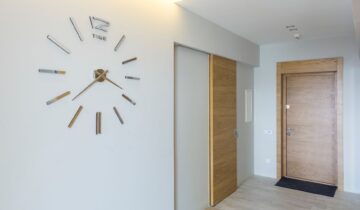
Narrow hallways pose unique obstacles in residential layouts. Conventional swinging doors require ample clearance to open and close, encroaching on hallway width and reducing usable space. This often results in cramped or inefficient circulation zones that disrupt flow and diminish the quality of the living environment. Architects and interior designers seek door solutions that minimize intrusions into these bottleneck areas without sacrificing the tactile experience or architectural presence.
Why Interior Pivot Doors Work Exceptionally Well in Narrow Corridors
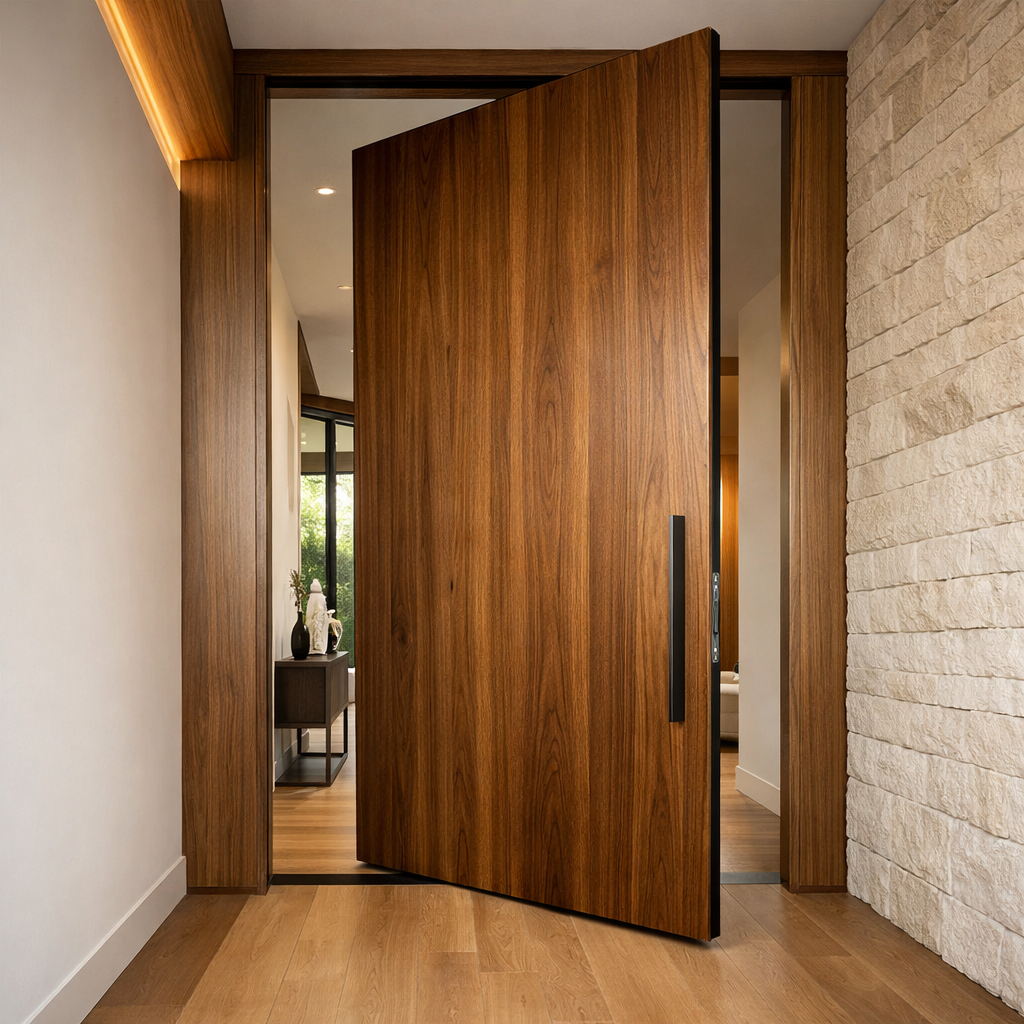
Interior pivot doors differ from standard doors by rotating around a vertical axis set slightly off-center instead of traditional side hinges. This pivot mechanism offers several advantages specifically well-suited to narrow hallways:
- Space-Saving Swing Radius: Pivot doors require less swing clearance. Because the door rotates around its pivot point, the door panel often moves partly inside the frame footprint, making better use of otherwise wasted space.
- Visual Continuity and Flow: With pivot doors, the axis flexibility allows for imposing yet elegant door panels that can seamlessly blend with wall planes or architectural features, supporting open sightlines when open and privacy when closed.
- Customization of Door Size and Materials: Pivot pivot hardware typically supports larger, heavier panels than traditional hinges, granting architects freedom to select unique materials and achieve understated luxury aligned with contemporary design principles.
- Reduced Wear and Enhanced Durability: The balancing action of pivot systems reduces stress on door frames in tight spaces, extending lifespan and reliability, which is critical for frequently used hallway doors.
Material and Design Considerations for Narrow Hallway Pivot Doors
Choosing the right pivot door for a narrow hallway involves balancing structural, aesthetic, and functional criteria.
Material Selection
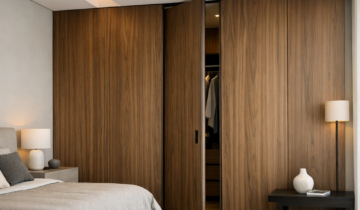
Wood Veneers and Exotic Hardwood: These provide warmth, texture, and architectural weight without overwhelming narrow spaces. Their durability and timeless appeal complement luxury interiors.
Glass and Frosted Panels: To enhance natural light flow while maintaining privacy, pivot doors with glass or frosted inserts broaden visual perception, helping visually expand tight corridors.
Metal Frames and Accents: Brushed steel or bronze pivot hardware can add a refined industrial edge, blending with contemporary American architecture’s fascination with mixed materials.
Design Integration
- Flush-Mounted Doors: Aligning pivot doors flush with wall surfaces creates minimalist aesthetics and continuous planes, ideal for streamlining narrow corridors.
- Concealed Pivot Mechanisms: Advanced hardware can be integrated subtly into framing, maintaining focus on material beauty and architectural lines rather than the door’s mechanics.
- Oversized Panels for Visual Impact: Narrow hallways can aesthetically benefit from the dramatic presence of tall, wide pivot doors that establish a signature luxury element without sacrificing circulation efficiency.
Installation Challenges and Solutions in Narrow Spaces
Installing pivot doors in narrow hallways requires precision and familiarity with architectural constraints:
- Structural Reinforcement: Pivot doors are heavier than standard doors; ensuring headers and floorplates can support concentrated loads is essential.
- Precise Alignment: The off-center rotation demands meticulous planning to avoid interference with adjacent walls or built-ins.
- Hardware Selection: Choosing high-quality pivot hinges with customizable offsets optimizes door swing and minimizes friction within tight spaces.
Notably, partnering with specialized door providers and installation experts, such as those referenced at Interior Pivot Door, ensures that these technical and aesthetic challenges are expertly navigated.
Case Studies: Contemporary American Homes Utilizing Interior Pivot Doors for Narrow Hallways
Several contemporary residential projects showcase the efficacy of interior pivot doors in transforming narrow corridors:
- Luxury Urban Loft: Here, pivot doors with frosted glass panels maximize light penetration into constrained hallways while preserving bedroom privacy.
- Mid-Century Modern Residence: Oversized teak pivot doors open flush with wood-paneled walls, creating a seamless experience that visually expands the hallway.
These examples underscore the versatility and design potential of pivot doors matched with architectural vision.
Design Inspiration and Resources for Premium Pivot Door Solutions
For those considering incorporation of interior pivot doors in narrow hallways, resources like DAYORIS offer extensive architectural door design inspiration and detailed information on luxury interior doors. Their curated collections and expert insights complement the specialized offerings found at Interior Pivot Door, assisting homeowners and professionals in discovering doors that perfectly align with project requirements.
Conclusion: Elevating Narrow Hallways with Interior Pivot Doors
When addressing the spatial and design challenges of narrow hallways, interior pivot doors provide a compelling blend of innovation, beauty, and practicality. Their distinctive mechanics optimize limited space while enhancing light, flow, and architectural character—qualities crucial in contemporary luxury homes. With thoughtful material selection, precision installation, and creative design integration, pivot doors transform transitional zones into signature architectural elements.
For further exploration of pivot door options and to engage with experts in premium interior door design, visit Interior Pivot Door’s about page and explore the curated collections that define modern American luxury.