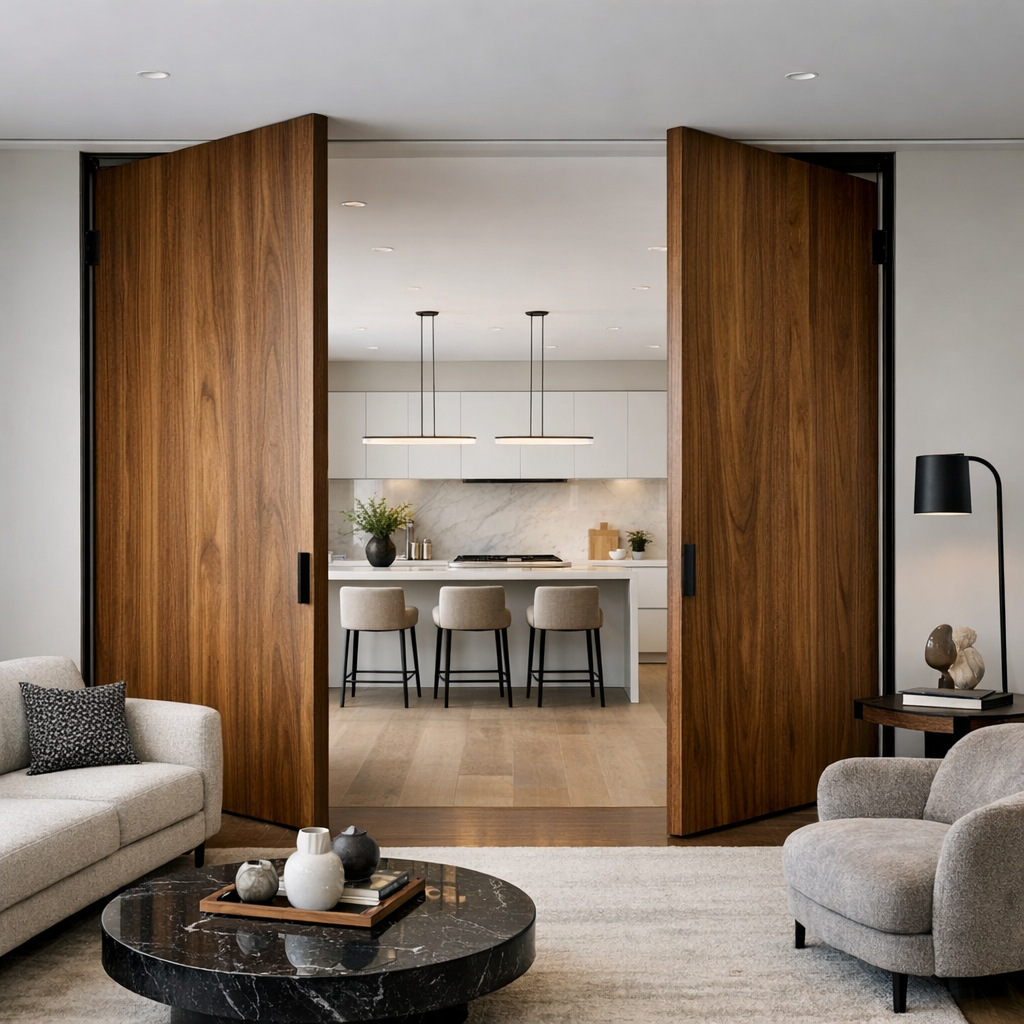
In contemporary luxury architecture and interior design, flexibility is paramount. Spacious, open layouts encourage fluid movement and social interaction, yet they can pose challenges when it comes to defining separate functional areas. Interior pivot doors have emerged as a compelling architectural solution, enabling homeowners and designers to dynamically shape living spaces without sacrificing style, light, or openness.
Why Interior Pivot Doors Are Ideal for Creating Flexible Living Zones
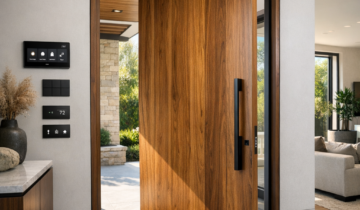
Unlike traditional hinged doors, interior pivot doors operate around a central or offset pivot point. This unique mechanism allows for larger, heavier doors to be installed without the structural constraints of a side-hinged design, granting enhanced flexibility in placement and operation.
This adaptability makes pivot doors particularly valuable in luxury homes seeking:
- Adjustable spatial boundaries: Open or close rooms on demand to switch between privacy and openness.
- Seamless integration with architectural flow: Pivot doors can disappear into walls or stand as sculptural elements, harmonizing with modern minimalism.
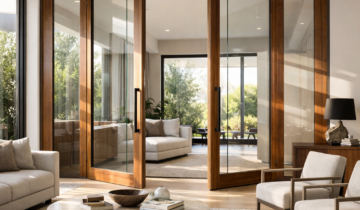
- Maximized natural light: Many pivot doors incorporate glass or translucent materials, allowing light to permeate while still delineating zones.
The combination of these qualities empowers architects and designers to tailor how spaces function daily, supporting evolving lifestyle needs.
Innovative Applications of Pivot Doors in Defining Zones
1. Transition Areas Between Public and Private Spaces
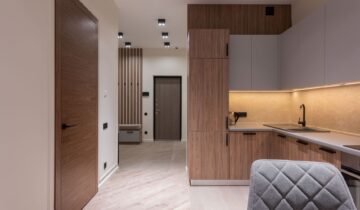
In luxury residences, maintaining a clear boundary between entertaining areas and personal quarters is essential. Pivot doors offer a refined solution by creating elegant partitions without compromising flow.
For example, a large pivot door positioned between the living room and home office can be opened widely during gatherings or closed softly to provide solitude and acoustic separation.
2. Separating Culinary and Living Areas Without Isolation
Open-plan kitchens often benefit from subtle separation from dining or living rooms. Interior pivot doors with frosted glass panels or wood detailing allow visual connectivity while controlling cooking aromas and noise.
Such applications illustrate how interior pivot doors cater to functional requirements without breaking the continuity of luxury design.
3. Creating Adaptable Multi-Use Rooms
Spaces such as home gyms, media rooms, or guest suites can be integrated flexibly using pivot doors. These doors can be fully closed for privacy or opened partially or completely to fold rooms into larger living spaces.
This versatility supports changing household demands, optimizing square footage and enhancing user satisfaction.
Technical and Design Considerations for Interior Pivot Doors as Zone Definers
Material Selection and Finish
The choice of materials impacts both aesthetics and functionality. Wood offers warmth and natural texture, while glass panels increase permeability and light transmission.
When selecting finishes, designers often balance durability with style—for instance, using veneered woods or laminated surfaces that resist wear while complementing luxury interiors.
Pivot Point Placement and Door Size
Offset pivot hinges enable dynamic door swings that maximize opening paths. Larger doors can make powerful sculptural statements but require precise engineering to ensure smooth operation.
Consulting with pivot door specialists, such as those featured on DAYORIS, can provide invaluable insight into technical feasibility and design customization.
Acoustic Performance and Privacy
While pivot doors contribute to visual separation, their sealing properties vary. To enhance sound control between zones, additional treatments like weatherstripping or specialized frames might be necessary.
Integrating Interior Pivot Doors Thoughtfully Within Contemporary Architecture
Successful implementation involves aligning pivot doors with overall architectural intent. Interior pivot doors can either emphasize minimalism by blending seamlessly into wall planes or function as focal points through contrasting finishes and proportions.
Architects and interior designers working on luxury projects must consider:
- Door height and proportion relative to ceiling scale
- Coordination with adjacent materials and textures
- Operational ergonomics and user experience
For more inspiration, the resources available through DAYORIS showcase contemporary door designs pushing creative boundaries. Additionally, exploring innovative solutions on Interior Pivot Door’s pivot doors page offers practical insights.
Case Studies: Interior Pivot Doors Defining Lifestyle Needs
Modern Family Living
A residence designed for multi-generational living utilized a series of tall oak pivot doors to separate the main entertaining space from private family bedrooms. This approach prevents noise overlap while preserving spatial continuity when doors are open.
Luxury Urban Loft
In an urban loft featuring soaring ceilings, an oversized glass pivot door with slim steel framing articulates a boundary for the master suite. The door allows natural light to flood the bedroom while maintaining a sense of openness.
Conclusion: Pivot Doors as Dynamic Instruments of Interior Flexibility
Interior pivot doors stand out as versatile elements that redefine how contemporary luxury homes manage space. They enable adjustable privacy, preserve light and flow, and enrich architectural expression simultaneously.
Incorporating pivot doors thoughtfully—considering technical, functional, and aesthetic dimensions—allows architects and homeowners to unlock the full potential of their interiors. For tailored expertise and inspiration on premium door solutions, consulting specialist platforms like DAYORIS and exploring trusted resources at Interior Pivot Door can be invaluable steps toward design success.