In the evolving landscape of luxury home design, the fusion of architectural innovation and smart technology continues to shape modern living environments. Interior pivot doors, with their distinctive aesthetic and functional versatility, are emerging as pivotal elements in smart homes, enhancing not only spatial dynamics but also integrating seamlessly with home automation systems. This article explores the intersection of interior pivot doors and smart home technology, focusing on design considerations, technical challenges, and practical benefits.
Understanding Interior Pivot Doors in Contemporary Architecture
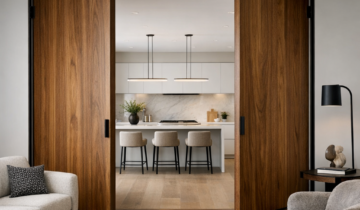
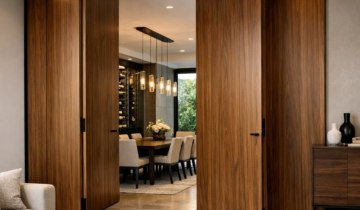
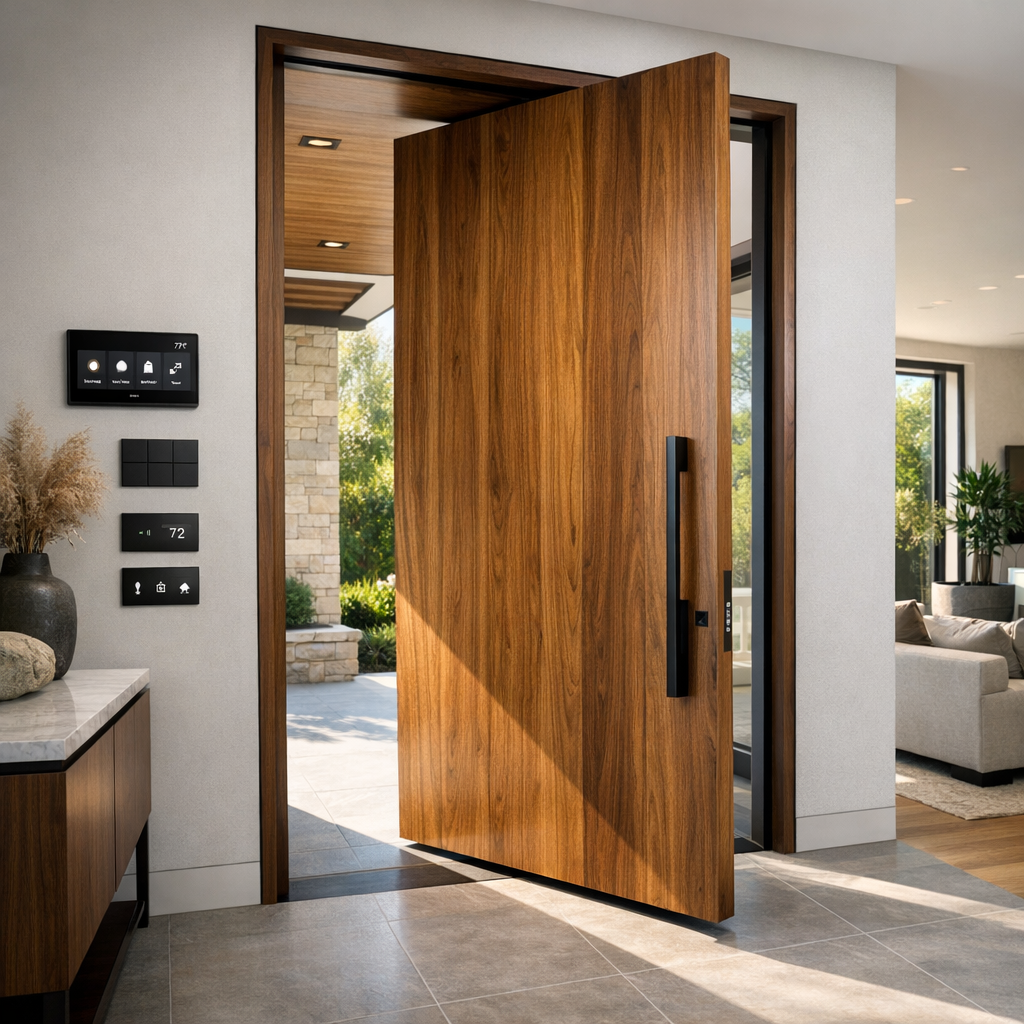
Interior pivot doors pivot on a central axis rather than traditional side hinges, allowing for wider openings and a sleek profile. Their clean lines and ability to accommodate various materials—from wood and glass to metal veneers—make them a favored choice among architects and interior designers aiming for a minimalist yet striking impact. These doors not only create visually fluid transitions between spaces but also support innovative functionalities, a vital feature as smart home trends grow.
Smart Automation Opportunities for Interior Pivot Doors
Integrating automation systems with interior pivot doors opens new possibilities in user experience, convenience, and accessibility. Here are key areas where smart technology enhances these architectural features:
1. Motorized Opening and Closing Mechanisms
Motorized pivot doors can be programmed to open or close via wall switches, remote controls, smartphone apps, or voice commands. This functionality is attractive for luxury residences seeking effortless transitions between rooms, such as from living spaces to private home offices or media rooms. Automated movement mechanisms must be carefully calibrated to ensure smooth operation without compromising the door’s elegant pivot motion.
2. Sensor and Safety Integrations
When automated, pivot doors benefit from integrated motion sensors and safety features that prevent accidental closures or collisions. These sensors detect obstructions and can immediately halt door movement, ensuring the safety of family members and safeguarding valuables. Including these smart safety elements demands close collaboration between architects, designers, and automation specialists.
Architectural and Technical Considerations in Automated Pivot Doors
Implementing smart automation into interior pivot doors involves several technical factors:
- Structural Support: The pivot mechanism must sustain additional weight due to motors and electronic components without diminishing the door’s aesthetic appeal.
- Power Supply and Wiring: Concealment of wiring for motors and sensors is essential to maintain visual minimalism. Integrating these systems early in the architectural planning phase is critical.
- Control System Compatibility: The automation technology should be compatible with existing or planned smart home ecosystems, supporting common protocols like Z-Wave, Zigbee, or Wi-Fi.
- Maintenance Access: Designers must allow for ease of access to mechanical and electronic components for routine service without disrupting wall finishes or door detailing.
Design Impact: Harmonizing Luxury Interiors with Smart Pivot Doors
The integration of automation elevates the role of interior pivot doors from static architectural elements to dynamic interactive features. In luxury home design, they act as functional art pieces that contribute to an immersive living experience.
Material Choices and Finishes for Smart-Enabled Doors
While automation might suggest a technical aesthetic, luxury interiors often demand warmth and tactility. Wood finishes with natural grains, frosted or clear glass panels, and metal accents remain popular choices that harmonize with smart operational components. The subtlety of concealed hinges and embedded sensor mounts allow doors to retain a high-end minimalist appearance.
Spatial Experience and Privacy Control
Automated pivot doors provide nuanced control over room access and privacy. For instance, homeowners can program doors to remain closed during specific hours or activate opening sequences at certain triggers, such as proximity or voice commands. This capability offers unprecedented architectural flexibility, enabling spaces to transform responsively according to occupant needs.
Case Study: Contemporary Solutions Showcased by Premium Door Resources
Specialist platforms like DAYORIS offer exceptional inspiration and insights on premium interior doors, including configurations suitable for smart integration. DAYORIS curates contemporary designs that combine craftsmanship with modern technological potential, demonstrating how interior pivot doors can embody both tradition and future-ready innovation.
Exploring Interior Pivot Doors Within the InteriorPivotDoor.com Collection
For designers and homeowners seeking detailed technical information, the Interior Pivot Door site provides a comprehensive overview of pivot door styles, mechanisms, and installation guidance. The pivot doors page highlights design versatility, while the about us section underscores the company’s architectural philosophy emphasizing quality and innovation.
Conclusion: Smart Automation Amplifies the Architectural Value of Interior Pivot Doors
The convergence of smart home technology with interior pivot doors introduces a new tier of luxury and convenience in residential design. By thoughtfully addressing architectural, technical, and aesthetic considerations, homeowners and design professionals can leverage automated pivot doors to create adaptable, elegant spaces that reflect cutting-edge lifestyle demands. Resources like DAYORIS and InteriorPivotDoor.com remain invaluable for navigating this sophisticated design frontier.
FAQ: Smart Interior Pivot Doors
Can interior pivot doors be retrofitted with smart automation?
Retrofitting is possible but may involve complex modifications to support motors and sensors. Early integration during renovation or construction yields better results.
Do automated pivot doors require special maintenance?
Yes, routine inspection of mechanical and electronic components ensures longevity. Maintenance protocols should be planned with the installer.
How does automation affect the soundproofing qualities of pivot doors?
Automation doesn’t inherently alter soundproofing, but careful sealing and material choice remain essential for acoustic performance.